ABOUT
Governance is an operations problem.
I have spent my career solving operations problems.
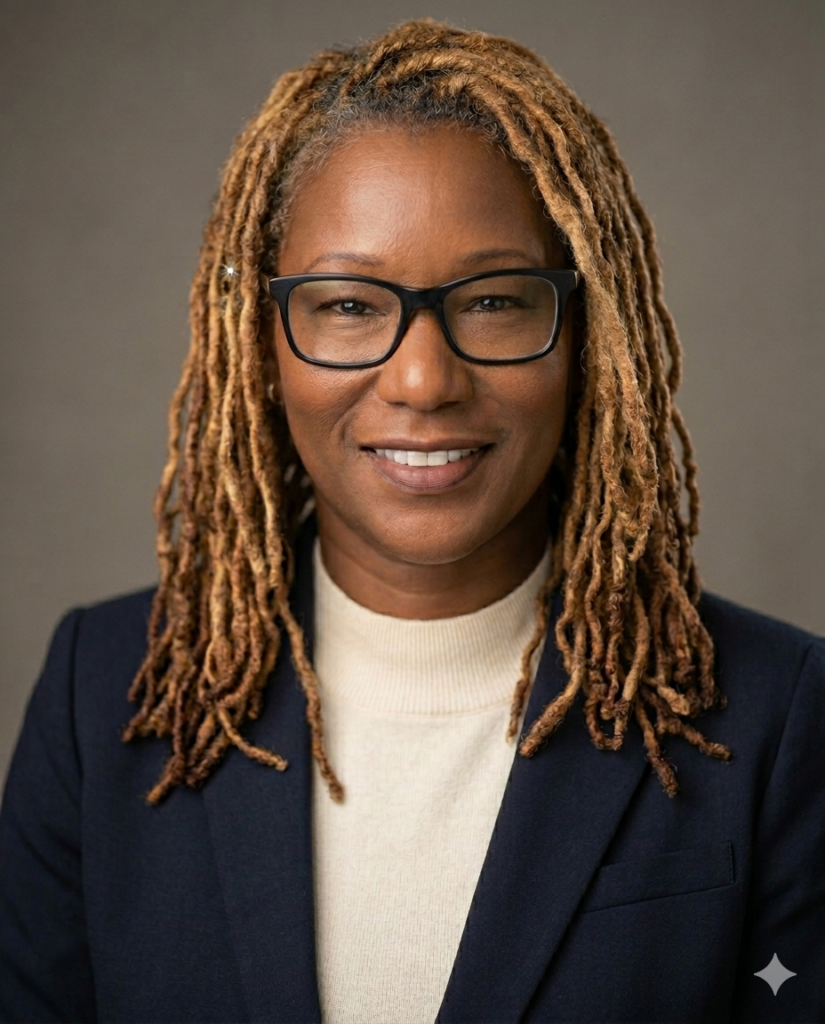
I am Charisse Jordan. I help regulated organizations turn AI governance from a document into something their teams actually run — so responsibility is visible and decisions hold up under scrutiny.
THE WORK UNDERNEATH
How do organizations create trust through structure?
That question sits underneath everything I do. Trust is not created by good intentions or transparency statements alone. It is created through legitimacy, visibility, accountability, and decision-making processes people can understand and rely on.
AI governance is where that question is especially urgent right now. It is how an organization makes responsibility operational — and how it earns trust it can demonstrate.
WHY IMPLEMENTATION
Recommendations do not change how a team works. Structure does.
have seen what happens when organizations receive recommendations and are left to implement alone. The document gets filed. The workflow never changes. The risk stays exactly where it was.
I work differently. I build governance into how a team already operates: who owns what, how decisions get made, how work gets documented, and how use gets monitored.
HOW I THINK ABOUT THIS
Practical before theoretical.
Operations First
Governance must work in practice, not sit on a shelf.
Accountability Requires Ownership
Clear responsibility and decision rights make trust possible.
Technology Serves People
Technology should remain accountable to human judgment and responsibility.
Built To Be Maintained
Governance has to keep working as tools, teams, and regulations change.
OPERATIONAL LEADERSHIP
A career spent inside the systems organizations depend on.
My perspective comes from more than two decades working alongside executives, leadership teams, and organizations navigating growth, change, and increasing complexity.
Much of my work has involved supporting executives, coordinating across functions, building operational systems, and helping organizations turn decisions into execution.
Working in those environments exposed a recurring pattern. When trust breaks down, the problem is often attributed to people, culture, or communication. But the deeper issue is frequently structural.
Responsibilities are unclear. Decision-making is inconsistent. Accountability is difficult to trace. The systems people depend on no longer reflect how the organization actually operates.
Those experiences led me to focus on the relationship between trust, accountability, governance, and organizational structure — and why those questions matter even more as organizations adopt emerging technologies.
Ready to see what this looks like inside your organization?
The assessment takes about five minutes and helps identify where ownership, oversight, documentation, and accountability may be missing.